A massive dust storm, or haboob, swept across the Sahara Desert from western Algeria into Mauritania, Morocco, Western Sahara and the Canary Islands on March 30. The dust stretched for more than 1,000 miles.
As meteorologists observed the dust storm from space via weather satellites, social media users captured the incoming dust storm on camera. One video shows a thick wall of dust and sand moving toward a resident of the town of Tindouf, near the Mauritanian, Western Saharan and Moroccan borders.
How does the dust affect tropical storms in the Atlantic?
While this storm didn't make it too far off the coast, significant amounts of dust can drift westward from Africa across the Atlantic beginning in May. This can inhibit tropical storm formation, or the strengthening of an existing system, because the dusty air has about 50% less moisture than the typical tropical atmosphere.
Strong winds in the dust layer can also substantially increase the vertical wind shear in and around the storm environment, potentially disrupting any storm that forms.
LATEST POSTS
- 1
 The most effective method to Pick the Best Material Organization: Insider Tips
 - 2Russian military plane crashes in annexed Crimea, killing 29 people on board
- 3The Ascent of the Kona SUV: How Hyundai's Reduced Hybrid Is Vanquishing the Streets
- 43 Italian City Cars That Outsmarted Regulations and Rivals
- 56 Trail blazing Bicycles for Rough terrain Undertakings




- Audits of 6 European Busssiness Class Flights
- Step by step instructions to Guarantee Your Internet Promoting Degree Supplements Your Profession Objectives
- A Couple of Modest Guitars for 2024
- The most effective method to Shield Your Gold Ventures: Procedures and Precautionary measures
- Instructions to Perceive and Grasp the Early Side effects of Cellular breakdown in the lungs
- Different Film Classification: What's Your Go-To for Amusement
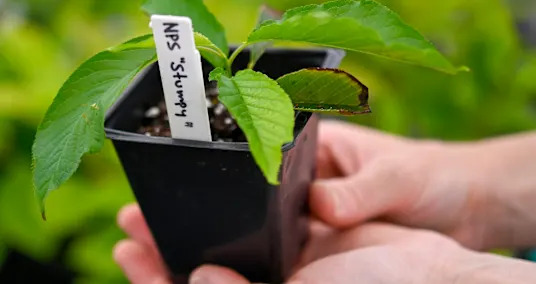
- Clones of Stumpy, Washington D.C.'s beloved cherry blossom tree, have flowered for the first time
- Picking the Right Pot for Your Plants: An Aide for Plant Devotees
- Scientists solve the mystery of the prehistoric 'Burtele Foot'