
US businesses are adding workers at the weakest pace in 15 years, excluding the onset of the pandemic, new data showed Tuesday, a sign that there was an even deeper chill cutting through the labor market before the Middle East conflict threatened to shake the US economy.
Hires as percentage of total employment dropped to 3.1% at the end of February, the lowest rate since April 2020 and, before that, 2011, according to the latest Job Openings and Labor Turnover Survey from the Bureau of Labor Statistics.
The hires rate dropped off from 3.4% in January, marking the steepest one-month decline outside of the pandemic since 2016, noted Laura Ullrich, director of economic research in North America at the Indeed Hiring Lab.
“Which is concerning given the ongoing impacts of the conflict in Iran,” she wrote in a note Tuesday.
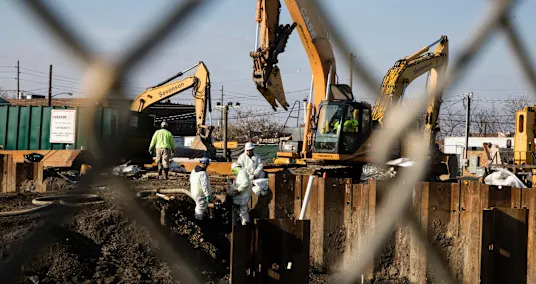
The steepest pullbacks in hiring were seen in the construction and professional and business services sectors.
The lowest hires rate on record was 2.9% in 2009, during the Great Recession.
Tuesday’s report also showed a dip in the number of job openings – a closely watched measurement of labor demand. They fell to an estimated 6.88 million from 7.24 million in January.
Layoffs increased to 1.72 million from 1.66 million, but the rate of layoffs of overall employment remains in line with averages seen in recent years. Voluntary quits, which serve as a gauge of worker confidence, fell in February to 2.97 million, marking the lowest level since 2020.
Listless hiring and labor hoarding mean the all-important “churn” needed for a healthy labor market and healthy economy has ground to a near-halt.
The February jobs report, which showed the US economy shed an estimated 92,000 jobs that month, further raised concerns that the labor market was not just stuck, but breaking.
The weekslong deadly and escalating conflict in the Middle East has amplified those fears.
In addition to rising uncertainty, the energy shock and other material shortages are forcing companies to grapple with immediate tangible effects, such as the higher cost of living for workers and customers, noted Elizabeth Renter, NerdWallet’s senior economist.
“If their input costs rise, they may be forced to reckon with tough decisions such as raising prices or reducing hours and workforce,” she wrote Tuesday.
For more CNN news and newsletters create an account at CNN.com
LATEST POSTS
- 1
 5 Different ways Macintosh is Prepared to Overwhelm Gaming, Even Against Windows
 - 2Step by step instructions to Look at Compact disc Rates: A Thorough Aide
- 3'Dancing with the Stars' semifinals: How to watch Episode 10 tonight, where to stream, who's left and more
- 4Remains of banker missing since 1999 found on California beach by family looking for seashells
- 5Colombia's military rescues 6 siblings who hid in the rainforest to escape from a rebel group



- Elanco's drug gets emergency nod to treat deadly flesh-eating parasite in cats
- Figure out How to Advance Space in Your Pre-assembled Home for Upgraded Usefulness
- EPA watchdog finds nation’s most contaminated sites are vulnerable to flooding, wildfires
- Warnings rise for U.S. as severe flu strain causes outbreaks in Canada, U.K.
- Figure out What Experience Level Means for Medical caretaker Compensation Dealings
- SpaceX launches Starlink satellites from California on 160th Falcon 9 flight of the year (video)
- Flu season is just beginning, but doctors are already on high alert
- Hezbollah field commander killed in IDF strikes in Beirut
- We may be witnessing the messy death of a star in real time